 Home
Home Landlords
 Tenants
 About
About Contact
 Contractors
 Blog
Blog Available Properties
 Book a Valuation
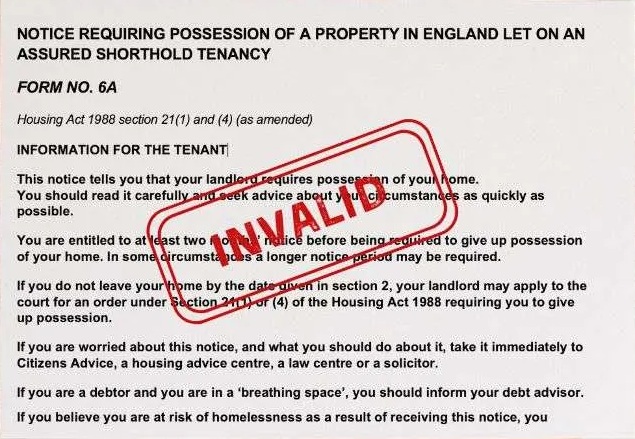
Section 21 Ending May 2026: Your Action Plan
The clock is ticking. From 1st May 2026, Section 21 “no fault” evictions will be abolished for all new tenancies in England. For landlords across South and West Yorkshire, this represents a fundamental shift in how the private rented sector operates.
If you’ve relied on Section 21 as a safety net, it’s time to adjust your strategy.
What is Section 21?
Section 21 of the Housing Act 1988 has allowed landlords to regain possession of their property without needing to provide a reason, as long as proper notice is given and all legal requirements are met.
From May 2026, this option disappears for new tenancies. Existing tenancies will be phased out over time.
Why Is It Being Abolished?
The government’s position is that Section 21 has been used — in some cases — to evict tenants unfairly, particularly in retaliation for requesting repairs or raising legitimate complaints. The abolition aims to provide greater security for renters.
For professional landlords who’ve always operated fairly, this change simply formalises what they were already doing: only seeking possession when there’s a genuine reason.
What Replaces Section 21?
Section 8 grounds become your only route to possession. These are fault-based grounds, including:
- Ground 8: Serious rent arrears (8 weeks or more)
- Ground 10: Some rent arrears (alternative ground)
- Ground 11: Persistent delay in paying rent
- Ground 12: Breach of tenancy agreement
- Ground 13: Property condition has deteriorated
- Ground 14: Anti-social behaviour or criminal activity
- Ground 1: Landlord intends to occupy the property
- Ground 1A: Landlord intends to sell the property
The key difference: you need evidence. Proper documentation, records, and compliance are essential.
Your Action Plan
1. Perfect Your Compliance (Now)
Section 8 claims can be thrown out for compliance failures. Make sure:
- Gas safety certificates are up to date
- EPC certificates are valid and meet minimum standards
- Electrical safety inspections are current
- Deposit protection was completed correctly and within legal timescales
- All prescribed information was served correctly
- “How to Rent” guide was provided at the start of the tenancy
Even one missing document can derail a possession claim.
2. Strengthen Tenant Selection
Without Section 21, you can’t afford to take risks on tenant quality. Your referencing process should include:
- Full credit check
- Employment verification
- Previous landlord references (2 minimum)
- Right to Rent checks (mandatory)
- Affordability assessment (rent should be ≤30% of gross income)
Professional tenant referencing isn’t optional anymore — it’s essential.
3. Document Everything
Create a paper trail for everything:
- Check-in inventory (photographic evidence)
- Maintenance requests and completion records
- Rent payment history
- Communication logs (emails, messages, letters)
- Property inspection reports
If you ever need to use Section 8, this documentation will be critical evidence.
4. Build Better Landlord-Tenant Relationships
With no Section 21 safety net, maintaining a professional but positive relationship with tenants becomes more important. Respond to maintenance requests promptly, communicate clearly, and treat your tenants with respect.
Good tenants are more likely to stay long-term, pay on time, and take care of your property. In the new system, that’s exactly what you need.
5. Review Insurance & Legal Cover
Ensure your landlord insurance includes:
- Rent guarantee insurance
- Legal expenses cover (for possession claims)
- Property damage cover
The cost of a contested possession claim can run into thousands. Proper insurance protects you.
6. Consider Professional Management
The complexity of the new system means many landlords are moving to professional property management. An experienced agent will:
- Handle compliance requirements
- Conduct thorough tenant referencing
- Keep detailed records and documentation
- Manage possession proceedings if needed
For many landlords, the cost of professional management is offset by reduced risk and peace of mind.
What If You Have an Existing Tenancy?
Existing tenancies created before 1st May 2026 will continue under current rules for a transitional period. However, the government has indicated these will eventually be converted to the new system.
If you have existing tenancies:
- You can still use Section 21 during the transitional period
- Make sure any Section 21 notice is served correctly and within legal timescales
- Consider whether you want to continue with those tenancies long-term
The Bottom Line
Section 21 ending isn’t the end of being a landlord — but it is the end of shortcuts. Professional landlords who reference properly, maintain their properties, and stay compliant will navigate this change successfully.
Those who’ve relied on Section 21 as a “get out of jail free” card for poor tenant selection or compliance failures will find the new system far less forgiving.
The message is clear: Do it right, or don’t do it at all.
Need Help Getting Ready?
At Rent Right Estates, we’re already operating to the new standards. Our tenant referencing, compliance management, and documentation systems are designed for the post-Section 21 world.
Whether you need tenant find or full management, we’ll make sure you’re protected.
Ready to future-proof your lettings? Get in touch or book a free consultation today.
This article provides general guidance on Section 21 abolition. It should not be considered legal advice. For specific situations, consult a qualified legal professional or letting agent.

About the Author
Jeff Brown
Founder, Rent Right Estates Ltd
Jeff Brown is the founder of Rent Right Estates Ltd, a compliance-led lettings and property management company serving landlords and tenants across South and West Yorkshire. With a rigorous focus on doing things correctly first time, Jeff helps landlords stay fully compliant with the latest legislation — including the Renters’ Rights Act 2025/26, EPC requirements, deposit protection law and more.