 Home
Home Landlords
 Tenants
 About
About Contact
 Contractors
 Blog
Blog Available Properties
 Book a Valuation
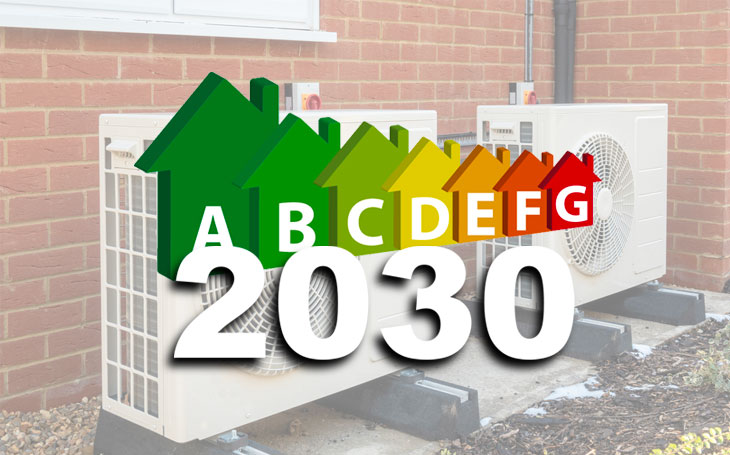
Energy Performance Certificate (EPC) requirements are tightening — and if you’re a landlord in Barnsley, Rotherham, Sheffield, or Wakefield, you need to start planning now.
From 2030, all privately rented properties will need to meet a minimum EPC rating of Band C (unless exempt). That’s a significant step up from the current Band E minimum, and it’s going to require investment for many landlords.
What Are EPC Ratings?
An EPC rates a property’s energy efficiency on a scale from A (most efficient) to G (least efficient). The certificate includes:
- Current energy rating
- Potential energy rating (if recommended improvements are made)
- Estimated energy costs
- Recommendations for improving efficiency
EPCs are valid for 10 years and must be obtained before marketing a property for rent or sale.
Current Rules (MEES Regulations)
Since April 2020, it’s been illegal to let a property with an EPC rating below Band E (unless a valid exemption applies). This is known as the Minimum Energy Efficiency Standard (MEES).
Key points:
- Properties must achieve at least Band E before a new tenancy starts
- Applies to existing tenancies from April 2020
- Maximum enforcement penalty: £5,000 per property
- Local authorities can enforce and issue civil penalties
What’s Changing: Band C by 2030
The government has confirmed plans to raise the minimum standard to Band C by 2030 for all privately rented properties. While the exact implementation date and details are still being finalised, the direction is clear.
Timeline (subject to confirmation):
- 2030: Band C minimum for all new tenancies
- 2031-2033: Band C minimum for existing tenancies (phased implementation expected)
Some landlords will need significant upgrades to meet this standard, particularly for older properties or those with solid walls, single glazing, or inefficient heating systems.
How Much Will It Cost?
This is the million-pound question — and the answer varies widely depending on your property.
Typical upgrade costs:
- Loft insulation: £300-£800
- Cavity wall insulation: £500-£2,000
- Double glazing (full house): £4,000-£8,000
- Modern condensing boiler: £2,000-£3,500
- Solar panels: £5,000-£8,000
For a property currently rated Band D, you might spend £2,000-£5,000 to reach Band C. For a Band E or F property, costs could be £8,000-£15,000 or more.
What If Band C Isn’t Achievable?
The government has indicated there will be an exemption system, similar to the current MEES rules. If you can demonstrate that:
- The cost exceeds a prescribed cap (likely £10,000-£15,000)
- The improvements aren’t technically feasible
- You’ve made all cost-effective improvements possible
…you may be able to register an exemption and continue letting at a lower EPC rating.
However, exemptions will require proper documentation and may need to be renewed periodically.
What You Should Do Now
1. Get a Current EPC
If your EPC is more than 5 years old, consider getting a new one. Assessors may now identify additional improvements, and standards have evolved.
2. Review the Recommendations
Your EPC includes a list of recommended improvements and their potential impact on your rating. Start with the most cost-effective options:
- Loft insulation (if missing or inadequate)
- Cavity wall insulation
- Boiler upgrades
- LED lighting
- Double glazing (if still single-glazed)
3. Get Quotes
Don’t wait until 2029 when every landlord in South Yorkshire is scrambling for contractors. Get quotes now for any major work, and consider spreading costs over several years.
4. Look for Grants & Support
Check for available grants or support schemes:
- Local authority energy efficiency schemes
- Green Homes Grant (if reinstated)
- Rent-a-roof solar schemes
- Interest-free loans for energy improvements
These schemes come and go, so keep an eye out for new opportunities.
5. Factor It Into Your Numbers
If you’re buying a rental property, factor EPC upgrade costs into your purchase decision. A Band E property at £120,000 may need £8,000 of work to meet future standards — effectively making it a £128,000 investment.
6. Consider Your Long-Term Strategy
Some landlords will decide the cost of upgrading isn’t economically viable, particularly for lower-rent properties. If your property would need £15,000+ of work to reach Band C, you need to ask:
- Will the rent I can charge justify this investment?
- Am I better off selling now before values are affected?
- Can I spread the cost over 4-5 years and still maintain positive cash flow?
The Bigger Picture: Why It Matters
Energy efficiency isn’t just about compliance — it’s becoming a key factor in:
- Tenant demand: More renters are looking for energy-efficient homes to reduce bills
- Property values: Poor EPC ratings are starting to affect property valuations
- Mortgage availability: Some lenders are tightening criteria for low-EPC properties
- Running costs: Better insulation = lower maintenance costs and fewer tenant complaints
Properties that don’t meet modern standards will become harder to let, harder to finance, and harder to sell.
Need Advice?
At Rent Right Estates, we help South and West Yorkshire landlords navigate the changing compliance landscape. Whether you need advice on EPC improvements, property valuations, or long-term strategy, we’re here to help.
Worried about EPC requirements? Get in touch for a free, no-obligation chat about your options.
This article provides general guidance on EPC and MEES regulations. It should not be considered legal or financial advice. For specific situations, consult a qualified professional.

About the Author
Jeff Brown
Founder, Rent Right Estates Ltd
Jeff Brown is the founder of Rent Right Estates Ltd, a compliance-led lettings and property management company serving landlords and tenants across South and West Yorkshire. With a rigorous focus on doing things correctly first time, Jeff helps landlords stay fully compliant with the latest legislation — including the Renters’ Rights Act 2025/26, EPC requirements, deposit protection law and more.